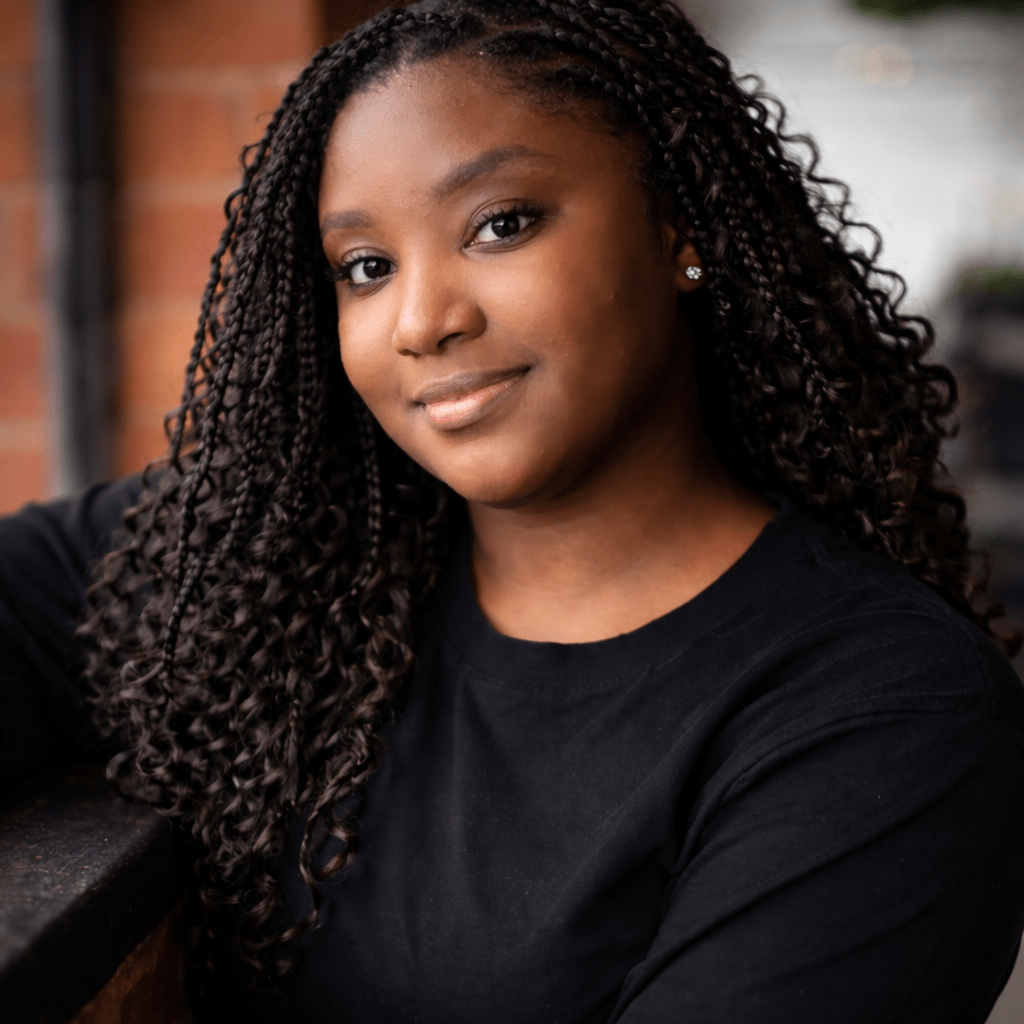
By Aquion
Raw Mothering Contributor
I remember the first time I heard the words ventriculomegaly, agenesis of the corpus callosum, and Dandy-Walker malformation. I was 22 weeks pregnant.
My husband was working, so my mother came with me. We sat in a small office while I stared blankly at the radiologist, trying to process the life-altering reality: my daughter’s brain was developing differently. The doctor spoke in terms I barely understood, yet every word echoed in my chest.
I left the office in a daze. The world around me seemed strangely normal while my own world felt shattered.
She was born on Thanksgiving Day, and we were so deeply grateful. Yet the months that followed were a blur of tests, appointments, and whispered fears. At home, I tried to focus on the tiny milestones every baby is supposed to reach—her first coo, the way she curled her little fists around my fingers—but there was always the lingering question: What did the future hold for her?
Then came the news of hydrocephalus, bringing with it a term I had heard many times but hoped we would never need: VP shunt.
My baby needed brain surgery.
Holding her in my arms, I felt both fierce protectiveness and deep helplessness. How could this delicate, perfect being be cut open so a tube could be placed in her brain?
The night before surgery, I barely slept. I watched her tiny chest rise and fall, memorizing every detail, trying to imprint myself onto her so she would carry me with her through the operation.
The hardest moment was not the surgery—it was handing her over to the nurse. Watching her carry my tiny baby through those doors felt like she was taking my breath away. Then came the waiting—long hours where every minute felt stretched thin with hope and fear.
When she finally returned to our arms—groggy but alive—I realized how fragile and resilient life can be at the same time.
Life after surgery has not been a simple “everything is okay now.” There have been follow-up appointments, shunt checks, and moments of terrifying uncertainty. Each day brings new challenges, from watching her work hard on motor skills to learning the rhythms of her body.
But there have also been moments of triumph. She has begun lifting her head more consistently during tummy time, hinting at recognition with a gentle smile and cooing as if to say, I feel so much better.
Parenting a child with complex neurological conditions is a balancing act between fear and hope.
Every milestone—no matter how small—feels monumental.I have learned to celebrate victories that others might take for granted: her first coordinated movement, her eyes tracking a toy, the subtle smile, the tiny giggle—the moments when she simply exists fully in her own light.
Sharing our story has become part of our journey. I’ve discovered that telling the truth about our struggles—about sleepless nights, hospital anxiety, and the overwhelming weight of what if—helps other parents feel less alone.
For every parent navigating ventriculomegaly, ACC, Dandy-Walker malformation, or hydrocephalus, there is a silent community of support—even if it exists only through shared stories online or whispered conversations in waiting rooms.
One of the hardest lessons I’ve learned is that grief and joy can coexist. I mourn the life I imagined for my daughter while simultaneously celebrating the life she is creating.
I’ve discovered resilience I didn’t know I had, and I’ve learned to embrace uncertainty with cautious optimism.
I have also realized the importance of advocacy—both for my daughter and for other families.
Navigating medical systems, advocating for therapies, and asking difficult questions has become part of daily life. But it has also given me a voice I never knew I needed—one that I hope can help illuminate the path for other parents.
To parents walking this path: it’s okay to feel scared. It’s okay to feel joy. It’s okay to ask for help.
Your fears do not make you a bad parent; they make you human.
And in the quiet moments, when your baby sleeps in your arms and you finally exhale, remember that love is the constant that carries both of you forward.
Our journey is ongoing. Every day brings both challenges and small miracles.
But through it all, I’ve learned that sharing our story—honestly, vulnerably, and without shame—is one of the most powerful ways to connect, heal, and inspire.
My daughter’s life is her own, but our story together can reach far beyond our living room, offering hope, empathy, and understanding to families navigating similar journeys.
About the Author
Aquion is a mother and writer sharing the unfiltered realities of raising a daughter with complex neurological diagnoses. Through honest storytelling, she explores grief, resilience, fierce love, and the quiet strength motherhood demands.
She writes to help parents feel seen, supported, and empowered in their own unique journeys.
 Raw Mothering
Leave a comment